
photo courtesy : google.com, facebook.com
Heritage Movies–Nepal (HM–N) is a socially responsible private enterprise dedicated to producing meaningful and impactful films in Nepal. Headquartered in Bhaktapur—an ancient city admired and frequented by filmmakers from around the world —HM–N creates a diverse range of cinematic works, including feature films, short films, and documentaries deeply rooted in history, culture, and the human experience.
In every production, the company strives to harmoniously blend content and craft, guided by the vision of bringing communities and nations closer together—transcending boundaries of caste, color, and creed.
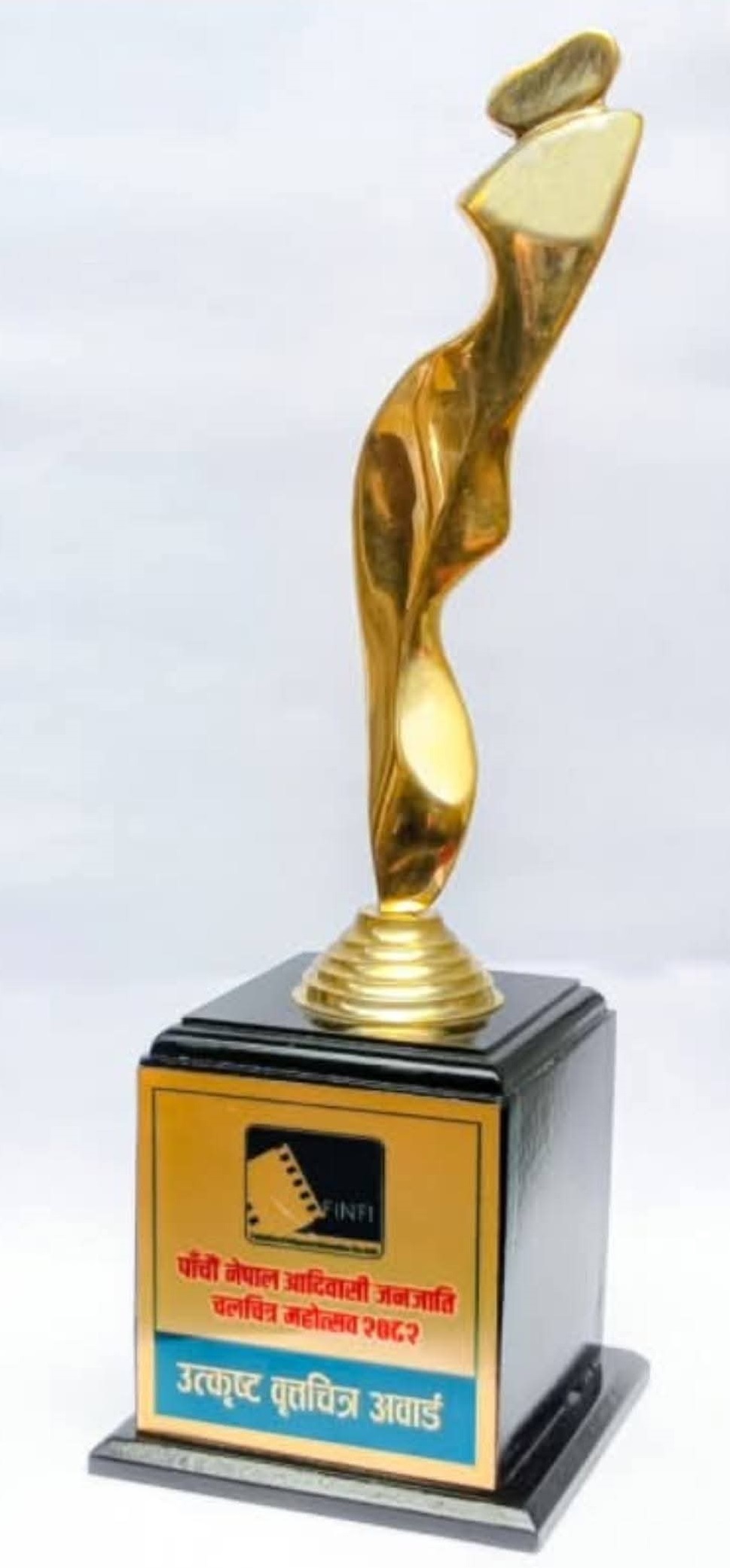
Best Documentary Award-2025
As part of its social commitment, HM–N works in close alignment with the Organ Donors’ Association–Nepal (ODA–N) to promote awareness on organ donation and other life-affirming causes through the powerful medium of cinema.
Reflecting its dedication to excellence, HM–N has earned notable recognition for its works, including the Best Documentary Award (2025) for ‘Kathmandu: A Tale of Toils of a Sinking Civilization’ and the Second Prize (2022) for its short film ‘The Blind by Heart’ at the Short Movies Festival in Kathmandu.

Heritage Movies–Nepal (HM–N) is producing a series of films centered on the inspiring theme of organ donation. Among them, the feature film and short movie share the title 'The Rebirth: Life After the Last Breath', each portraying the theme through distinct narratives and perspectives. In addition, a documentary on the same subject—produced under a different title—delves into the real-life stories, emotional journeys, and social impact surrounding organ donation.
‘The Rebirth: Life After the Last Breath’, is an impactful film that Heritage Movies–Nepal is going to produce in collaboration with the Organ Donors’ Association–Nepal (ODA–N).Themed around the global issue of organ donation, this ‘Movie with a Mission’ tells a story of universal resonance.Inspired by deeply moving real-life incidents in Nepal, its message transcends borders, cultures, and beliefs. At its heart, the film reflects the shared human experience, leaving a lasting impression that unites people across the world.More than just a narrative, it stands as a call to collective compassion—bringing audiences together in support of a profound and timeless cause: humanity itself.
View DetailsBased on a true story, ‘The Rebirth: Life After the Last Breath' relates how a single man's organ donation can save eight lives and give a new lease of life to several other
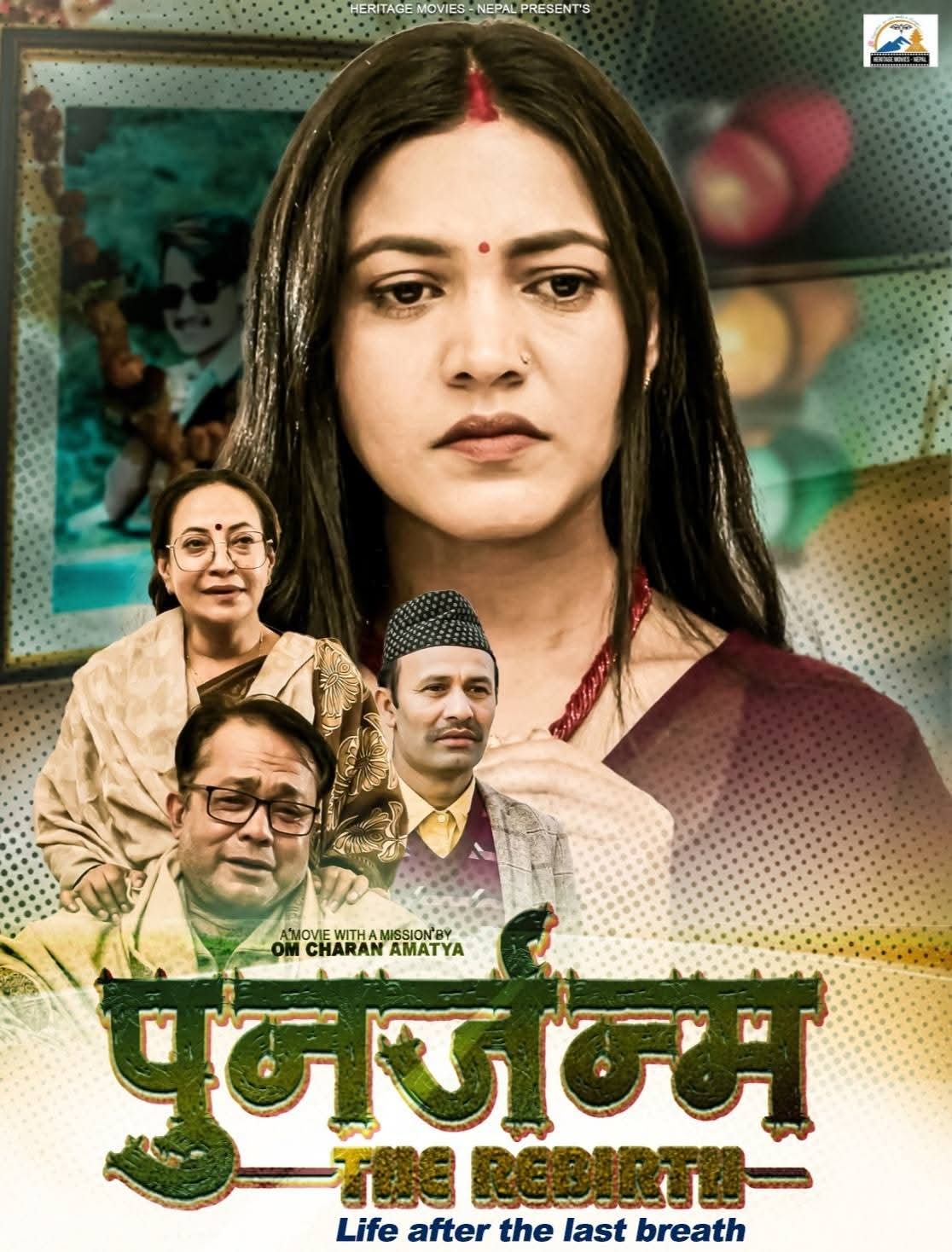
people from a deeply divided society, unexpectedly uniting them across the lines of castes, colors and creeds....
View Details‘Organ Donation: The Facts, The Faces and The Future’ is a Cause-driven documentary that the ‘Heritage Movies-Nepal’ is going to make with an aim to enhance public awareness on the necessity and significance of organ donation. A non-profit charitable initiative, the documentary will have two separate versions, in Nepali and English. It will have THREE key components:...
View Details
'Kathmandu : A Tale of Toils of a Sinking Civilization’ is a Cause-focused documentary, which ‘Heritage Movies-Nepal’ had made in collaboration with the Heritage & Tourism Department of Kathmandu Metropolitan City (KMC). The 61-minute documentary—an outcome of a two-year long rigorous research—had dwelled on how the Kathmandu Valley—home to the internationally-acclaimed Newah Civilization and UNESCO’s 7 World Heritage Sites—is gradually sinking, both physically and culturally, owing to chaotic urbanization and the subsequent...
Best Documentary Award-2025
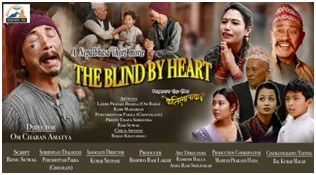
‘The Blind by Heart’is a Nepalbhasa/Newari short movie that ‘Heritage Movies-Nepal’ had made in 2022. A family drama in essence, it endeavored to show how the urban Nepalese society in the changed context has changed itself, giving too much room for personal interests with almost zero heed on the time-honored family values and norms. An eye-opener, especially for the middle-class strata of the society, the 20-minute movie was successful in bagging a 2nd Prize in the short movie competition held in Kathmandu in June 2022...
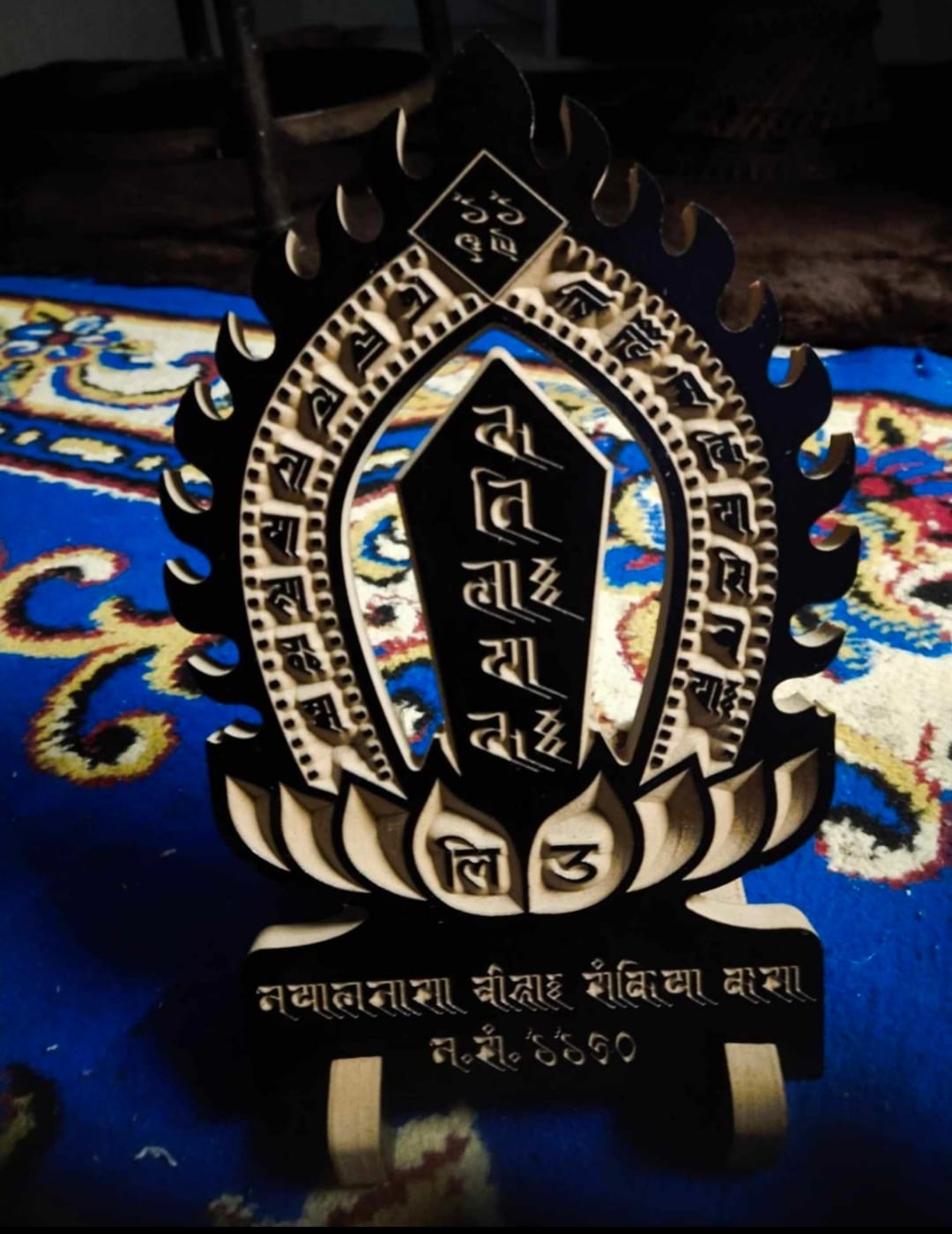
'Second Prize' awarded to
'The Blind by Heart'

The feature film—‘The Rebirth: Life After the Last Breath’—relates a story that touches societies all around the world. Though the movie is based on a few heart-wrenching incidents that had taken place in Nepal, the essence of the story is such that it breaks borders and shakes sentiments of all human beings irrespective of their colors, creeds and countries. So, the story plunges deep into our mind and brings the masses together for a great common cause, i.e., the cause of humanity...
View Details
'The Snowstorm: An Untold Story of the Trans-Himalayan Silk Road’ is a historic film inspired by a 19th-century Nepalbhasa (Newari) classic tragedy. At its heart lies the poignant tale of a newly-wed couple in Kathmandu, torn apart when the husband—enchanted by the promise of gold and the unspoiled grandeur of Tibet—joins a trade caravan bound for Lhasa.
View Details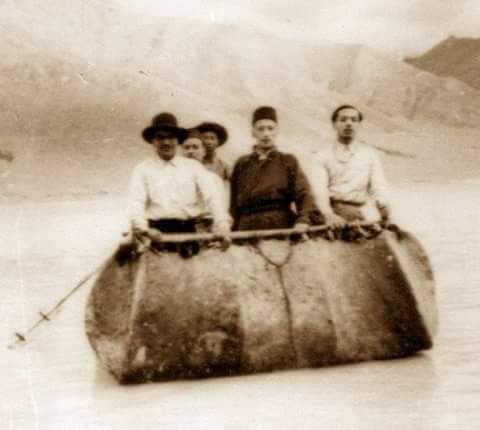
“Lhasa Banjas” (Newar traders conducting business in Lhasa) crossing the Yarlung Tsangpo (ཡར་ལུང་ཙང་པོ་ , Brahmaputra) river on a traditional yak-hide boat
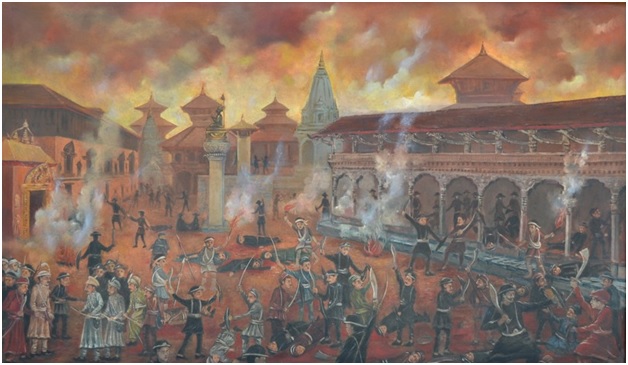
The ‘Battle between Bhaktapur and the Gurkhas: A True Story of Broken Bonds and Betrayals’ is a story that relates aquick sequence of hair-raising incidents that had taken place before and after the three-day battle between Bhaktapur and the invading Gurkha army in 1769 AD. It also shows the rigorous life in and around Bhaktapur during the 13.5months-long blockade imposed on Bhaktapur before the three-day ‘epic battle’ and its aftermath...
View Details
‘Organ Donation: The Facts, The Faces and The Future’ is a Cause-driven documentary that the ‘Heritage Movies-Nepal’ is going to make with an aim to enhance public awareness on the necessity and significance of organ donation. A non-profit charitable initiative, the documentary will have two separate versions, in Nepali and English.

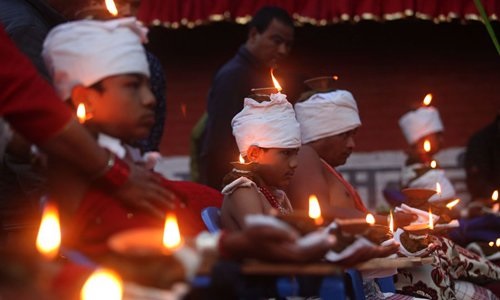
Come October, and you’ll see a different Bhaktapur. It is the month, when Hindus celebrate the Vijaya Dashami, the victorious 10th day and the culmination of the fortnight-longMohani (Dashain) festival, and Buddhist commemorate it as the Arms Renunciation Day, the day when Mauryan Emperor Ashoka had given up arms and converted himself to be a Buddhist after seeing the nerve-wrenching bloodbath at the Kalinga Warnearly 2,300 years ago.Naturally, festive zeal and revelries are everywhere, but on this special day, you’ll find a considerable number of devotees at the Brahmayani shrine sitting either on chairs or lying on the ground, with their bodies partly or fully covered with oil-fed traditional lamps.Staying there so for hours with almost zero physical movements draws awe and inspiration, but the thing that motivates most is the message that the-once-in-a-year ritual oozes out: the light we kindle within us counts the most and it’s what makes us as well as the entire society happy, healthy and prosperous. The nearly 25-minute documentary, which we are going to make in both Nepali and English very soon, will revealall its socio-cultural dimensions, and we suggest you all to watch it to understand how an illuminating light, no matter how small it is, can chase away darkness and bring about light not only inour personal lives but also in the society as a whole.
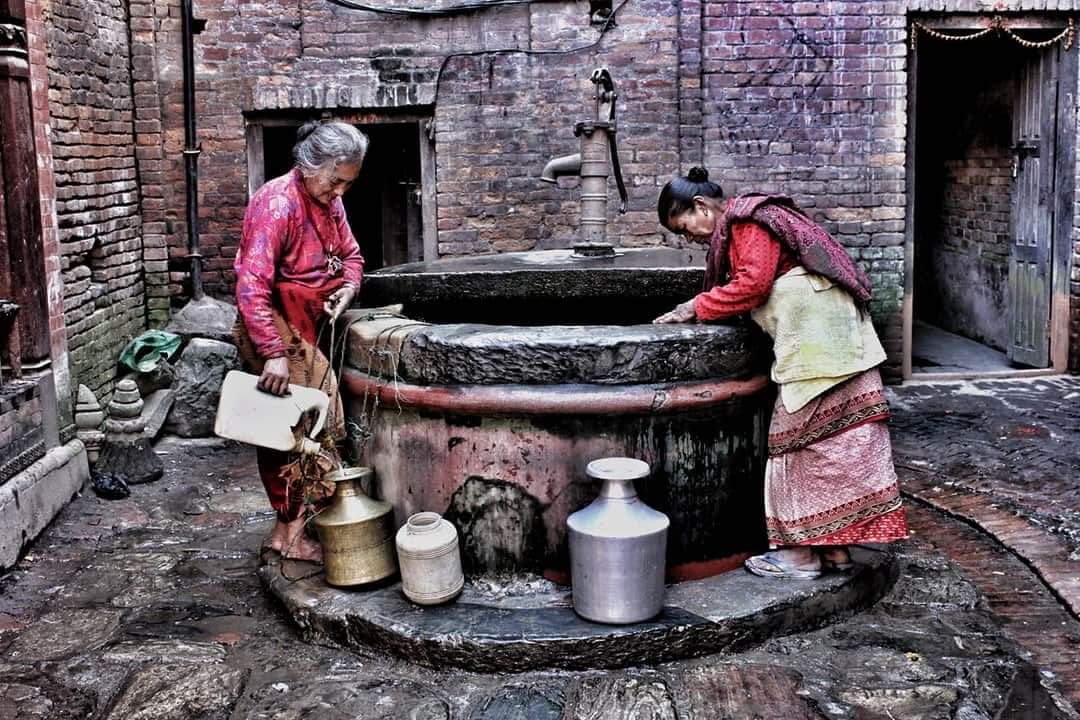
The world is now home to eight billion people, and one of the most important factor that has kept us all alive is Water. The link between human life and the water is inalienable, and it’s the quest and quench for this life-giving liquid that has given birth to great civilizations in the human history. The bowl-shaped Kathmandu Valley—home to the internationally-acclaimed Newah Civilization—is an example that substantiate that very fact. So simply go around this marvelous Valley, and see for yourself the age-old system under which natural resources of water are properly maintained and the uninterrupted supply of water to its inhabitants is ensured. Though much of the time-honored ‘Water Heritage’ has succumbed to an uncontrolled population growth and unplanned urbanization here, the Valleystill gives ample opportunity to peep into its glorious past as well as to stand witness to the efforts currently being undertaken by some of the local governments and people in preserving what is left behind by the time. On our part, our endeavors to make an audio-visual document or a documentary titled, ‘Water Heritage of the Kathmandu Valley’ on this very topic aim to consolidate the preservation efforts by disseminating relevant information to the general public and building positive pressure on the decision-makers. Moreover, the one-hour long documentary in Nepali with English subtitles, as we have envisioned for long, will not only serve as an audio-visual archive of a glorious part of human history, but also become an authentic reference material for all those who aspire to plunge deep into the ‘water’ in the days ahead.
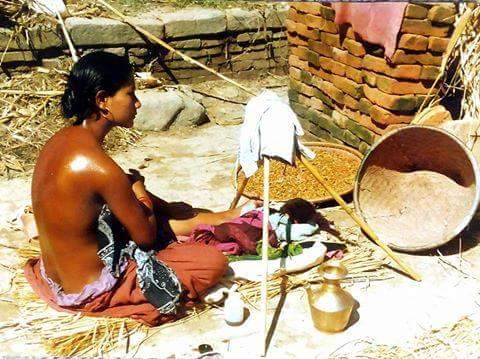
Massaginga new-born baby, which goes for the first few months after the birth,is an age-old traditionamong the Newar community in and around the Kathmandu Valley.Popularly known as ‘Machaa Chikan Bukegu’ (oiling infants),the oil massagingis performed every day by a well-experienced dhai(baby caretakers) using organic mustard oil. Though the lactating mother also gets the reinvigoratingoil massage every day, it’s naturally the baby that gets the utmost care to make his/her limbs strong and healthy in the upcoming days. Moreover, the mother is regularly served, twice or thrice a day, with specially made Posta, a combination of nutritious spices and herbs made with molasses, and Imu-ti, asalted soup of carom and fennel seeds with ghee as its topping. They not only help the mother regain her strength, but through her milk, give necessary nutrition to the baby.Like many other time-honored traditions, this generations-old tradition too is gradually succumbingto the so-called modernity, and the revival of this scientifically-proven is what the ‘Heritage Movies-Nepal’ aims to achieve through the documentary-in-the-making.
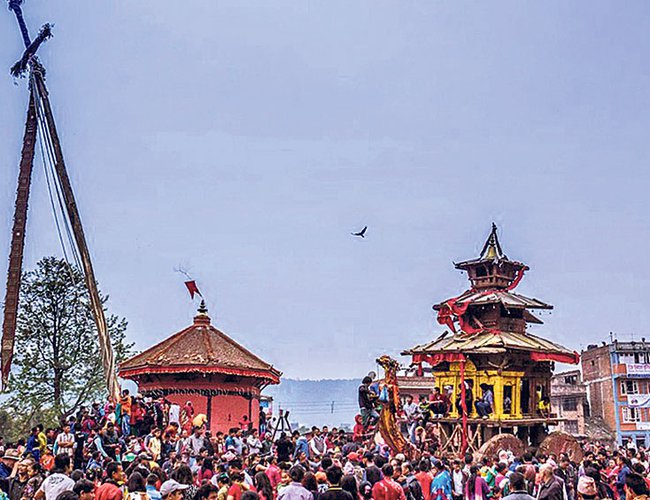
Apparently overwhelmed by the richness in heritage scattered all around the Kathmandu Valley, a foreign visitor in the distant past had said, “Every other building here is a temple and every other day a festival”.Yes, festivals have always been an inalienable part of the Nepalese way of life. People find inthem not only entertainment but also ways to ensure progress, prosperity and preservation for themselves. No matter how big or small they may be or where they are observed, all the festivals are deeply rooted in the socio-economic lives of the general public.Of course there are belief systems playing their roles giving shape and size to the festivals, they, in many ways, have been instrumental in keeping people secure, happy, healthy and prosperous. Besides, these are the factors that bring hands, heads and hearts closer, enhancing social harmony and mutual respect among the peoples that are known for the divergence in castes, colors and creeds. The documentary-in-the-making, ‘Festivals of Nepal: Four Reasons, Four Seasons’, endeavors to enhance those very socio-cultural bonds by making a bridge between the past and the present.